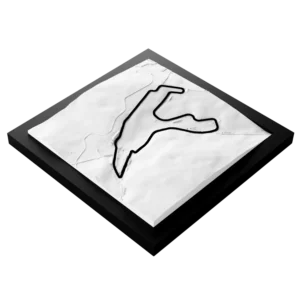


- Casino de Monte-Carlo – An icon of luxury and social life in Monaco. The historic 1863 building enchants with marble, gold details, and architecture that breathes the nobility of the past century. It has appeared in several James Bond films, serving as a backdrop for style and gambling. Today, it is a landmark, a symbol of the city, and a frequent destination for tourists from all over the world.
- Hôtel de Paris Monte-Carlo – A legendary hotel in the heart of Monte Carlo that has been hosting kings, movie stars, and high-standard lovers since 1864. Located right next to the casino, it ranks among the most prestigious places in Monaco. It is known for its elegance, flawless service, and historic wine cellar, which is one of the largest in Europe. It is a hotel that has helped shape the character of the city for over 150 years and remains its living symbol to this day.
- Port Hercule – Port Hercule is one of the few deep-water ports on the French Mediterranean coast, accommodating over 760 yachts of various sizes. Especially during the Formula 1 races, luxury yachts worth over 100 million euros anchor here, giving their owners a front-row seat to the action on the track. The port is surrounded by both historic and modern buildings that create the iconic backdrop of the entire event. During the F1 weekend, mooring prices rise up to €3,500 per night, while the most prestigious spots can cost up to €100,000 for five days.
- Monaco Yacht Club – A modern waterfront landmark designed by world-renowned architect Norman Foster. The building looks like a yacht anchored on the shore with open terraces, clean lines, and views of the entire coastline. It serves as a base for the yacht club and its members – professionals, enthusiasts, and racing teams from all over the world.
- Tunnel under the Fairmont Hotel – An interesting architectural feature of the city. The tunnel runs directly beneath the well-known Fairmont Hotel, passes through dense development, and connects the coast with the center of Monte Carlo. It is a practical solution in a city where every meter counts. Monaco has dealt with limited space creatively and with technical ingenuity, without disrupting the city's character. The tunnel looks inconspicuous while naturally blending into the surrounding architecture.
- Fairmont Hotel – A unique element of urban architecture. The hexagonal complex of the Fairmont Hotel creates a striking geometric contrast to Monaco's traditional buildings. It extends directly over the sea and, when viewed from above, looks like a modernist mosaic embedded in the coastline. Its shape is instantly recognizable even on the model.

- Port Hercule – Port Hercule is one of the few deep-water ports on the French Mediterranean coast, accommodating over 760 yachts of various sizes. Especially during the Formula 1 races, luxury yachts worth over 100 million euros anchor here, giving their owners a front-row seat to the action on the track. The port is surrounded by both historic and modern buildings that create the iconic backdrop of the entire event. During the F1 weekend, mooring prices rise up to €3,500 per night, while the most prestigious spots can cost up to €100,000 for five days.
- Casino de Monte-Carlo – Vedeli ste, že pred kasínom Monte-Carlo si každý rok urobí selfie viac než 7 miliónov turistov? Postavené v roku 1863, je dodnes symbolom luxusu a bohatstva v Monaku. Navrhol ho Charles Garnier, architekt slávnej Parížskej opery. Budova sa nachádza v tesnej blízkosti námestia Casino Square, kde pretekári F1 prechádzajú rýchlosťou okolo 80 km/h. Kasíno tvorí významnú súčasť príjmov kniežatstva a prispieva približne 5 % do monackej ekonomiky.
Objavilo sa aj vo filmoch ako James Bond: GoldenEye a Never Say Never Again. V roku 1974 tu taliansky hráč vyhral na rulete 1 092 000 dolárov, čo je dodnes najvyššia zaznamenaná výhra. Aby sa predišlo problémom s hazardom, monacké zákony zakazujú obyvateľom krajiny hrať aj pracovať v kasíne. Ide o formu právnej ochrany miestnych.
- Fairmont Hotel Monte-Carlo Tunnel – The tunnel under the Fairmont Hotel Monte-Carlo is an architecturally exceptional space that combines luxury with technical difficulty. The hotel is built directly over the sea on pillars and has more than 600 rooms. In the tunnel, Formula 1 drivers reach speeds of up to 290 km/h while having to react instantly to sudden changes in light.
- La Rascasse – je ikonický bar a reštaurácia pri vode, známa svojou živou atmosférou a výnimočnou polohou v srdci Monte Carla. Vďaka otvorenej terase ponúka výhľad na prístav aj okolité mestské ulice. Počas celého roka je obľúbeným miestom na večerné drinky, hudbu a neformálne stretnutia.
Jej názov poznajú aj fanúšikovia motoršportu – bar sa nachádza v zákrute, ktorú každoročne prechádzajú monoposty počas veľkej ceny Monaka. Aj mimo pretekov však miesto dýcha charakteristickou energiou mesta, kde sa luxus stretáva s ležérnosťou riviéry.
- Hôtel de Paris Monte-Carlo – It opened in 1864 and remains one of the most prestigious hotels in the world to this day. It became famous especially for its wine cellar, which holds more than 600,000 bottles, and its suites, where a single night can cost up to €40,000. The hotel is located on Casino Square and offers views of the race and the city center.
- Monaco Yacht Club – The modern Monaco Yacht Club building, opened in 2014, is the work of renowned architect Norman Foster. In shape, it resembles a yacht anchored on the shore. During the Grand Prix, it transforms into an exclusive viewing spot for the action. Club membership is among the most prestigious, with annual fees exceeding €30,000.
- Sainte Dévote Chapel (alebo St. Devote Chapel) – Kaplnka z 11. storočia, zasvätená patrónke Monaka, sa nachádza pri prvej zákrute trate. Táto časť je známa častými kolíziami, najmä počas štartu. V roku 1996 tu v daždi havarovalo niekoľko monopostov vrátane Damona Hilla a Michaela Schumachera. Do cieľa sa vtedy dostali len štyria jazdci, čo robí z tohto ročníka jeden z najchaotickejších v histórii.
Každý rok, 27. januára, sa pri kaplnke koná tradičný ceremoniál pálenia lode na počesť svätej Devoty. Ide o dôležitú duchovnú a kultúrnu udalosť pre celé kniežatstvo.
- Prince's Palace of Monaco – The Prince's Palace of Monaco is the official residence of the Sovereign Prince of Monaco and one of the oldest continuously inhabited royal residences in Europe. It was built as early as 1191 as a fortress of the Republic of Genoa. Since the 13th century, it has served as the residence of the Grimaldi family, who rule there to this day. The palace is located on the rocky promontory of Monaco-Ville overlooking Port Hercule and is one of the visually most impressive landmarks of the city. Tourists head here mainly for the daily changing of the guard (at 11:55 AM), a tour of the historic halls with frescoes and furniture, or for the views from the courtyards.